
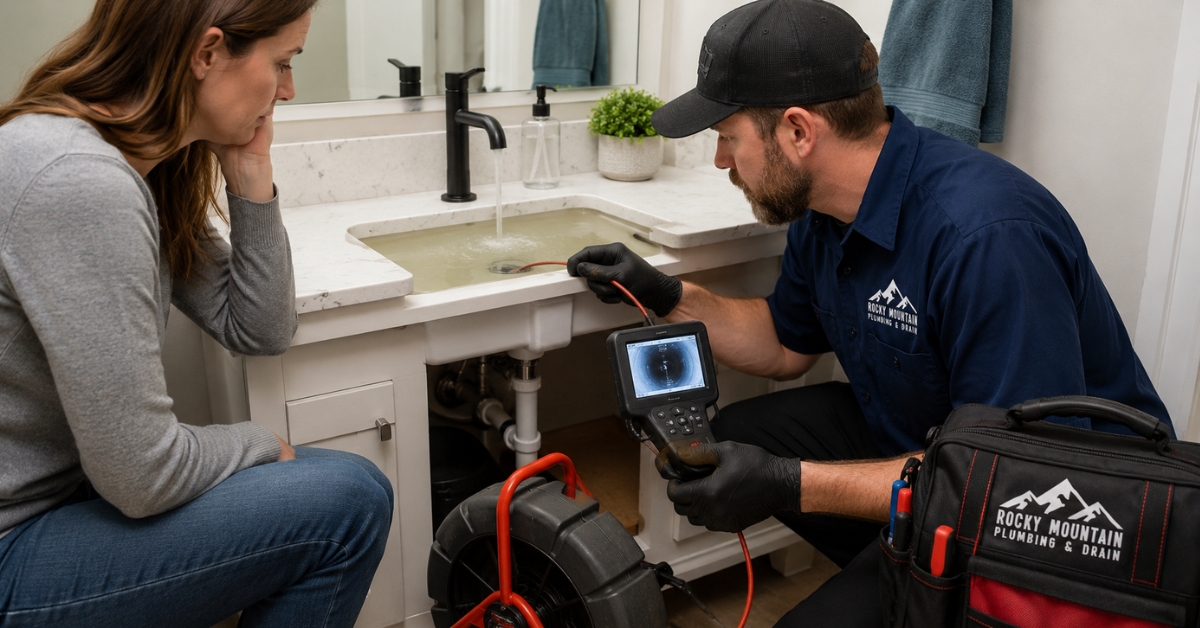

Most homeowners deal with clogged drains at some point. A slow kitchen sink, a bathroom drain that takes longer to empty, or a toilet that needs an extra flush can seem like ordinary plumbing annoyances. In many cases, they are.
The challenge is knowing when a minor blockage is no longer a minor issue. Some drain problems are isolated and easy to resolve. Others are warning signs of buildup, pipe damage, sewer line issues, or recurring obstructions that require a more thorough approach. Recognizing the difference can help prevent larger plumbing problems and more costly repairs later.
Understanding when a clog changes from a nuisance to a more significant concern can help homeowners make better decisions about maintenance and repair.
Not Every Clog Means You Need Drain Repair
Many clogs develop from everyday use. Hair, soap residue, grease, food particles, and other debris gradually collect inside drain lines. Eventually, enough material accumulates to slow water flow.
An isolated clog often has a few characteristics:
- It affects only one fixture
- It develops gradually
- It responds well to clearing methods
- It does not return repeatedly
For example, a bathroom sink that drains slowly because of accumulated hair near the drain opening is usually a localized issue. Once the obstruction is removed, normal flow often returns. In many cases, routine drain cleaning can restore normal performance before buildup becomes a larger concern.
The concern begins when the symptoms become recurring, widespread, or increasingly severe.
Signs the Problem Is Moving Beyond a Simple Blockage
Certain patterns suggest the issue may involve more than a single clog.
The Same Drain Keeps Clogging
One of the most common warning signs is a drain that repeatedly develops problems.
A sink, shower, or tub that seems to clog every few weeks may indicate that debris is accumulating deeper within the line. While temporary clearing methods may restore flow for a short time, the underlying restriction remains.
When the same fixture continues experiencing problems despite repeated clearing attempts, a closer evaluation is often necessary.
Slow Drainage Returns Quickly
Many homeowners notice temporary improvement after using a plunger or other clearing method. However, if slow drainage returns shortly afterward, the obstruction may extend farther into the pipe system.
Partial blockages can leave enough space for water to pass while still restricting flow. Over time, debris continues collecting around the obstruction until symptoms reappear.
This cycle often indicates a need for professional evaluation rather than repeated temporary fixes.
Multiple Fixtures Start Acting Up
A single clogged fixture usually points to a localized problem.
When several drains throughout the home begin slowing down at the same time, the situation changes.
Examples include:
- Multiple sinks draining slowly
- Toilets struggling to flush properly
- Showers backing up unexpectedly
- Water appearing in another fixture when one drain is used
These symptoms may indicate a blockage affecting larger sections of the drainage system.
The Importance of Partial Drain Problems
Many homeowners wait until a drain completely stops working before taking action.
In reality, some of the most important warning signs occur long before a full blockage develops.
Why Partial Blockages Matter
Partial obstructions restrict water flow without completely stopping it.
These conditions often create:
- Slow drainage
- Intermittent backups
- Standing water
- Unpleasant odors
- Recurring clogs
Addressing these issues early can help prevent larger disruptions and more extensive cleaning requirements.
Homeowners experiencing partially blocked drains should pay attention to recurring symptoms rather than assuming the problem will resolve itself.
Strange Sounds Often Point to Bigger Issues
Drain systems are designed to move both water and air efficiently.
When restrictions develop, air movement can become disrupted.
Gurgling and Bubbling Sounds
Many homeowners hear unusual noises before they experience significant backups.
Common examples include:
- Bubbling toilets
- Gurgling sinks
- Noises from shower drains
- Air sounds after flushing
These symptoms can indicate developing restrictions somewhere within the drainage system.
When air becomes trapped because water cannot move normally through the pipes, pressure changes often create these distinctive sounds.
If you’re hearing gurgling drain noises, the issue may involve more than a simple fixture clog.
When Line Buildup Becomes the Real Problem
Not every blockage is caused by a single object.
In many homes, years of accumulated material gradually reduce the pipe’s internal diameter.
Common Sources of Buildup
Several substances contribute to long-term restrictions:
Grease and Oils
Kitchen drains are especially vulnerable to grease accumulation.
Even when grease appears liquid while warm, it can solidify inside pipes and trap additional debris.
Soap Residue
Soap products can combine with minerals in water to create stubborn deposits along pipe walls.
Hair and Personal Care Products
Bathroom drains often collect hair, toothpaste residue, soap, and grooming products over time.
Food Waste
Small food particles may accumulate gradually, particularly in kitchen drain systems.
The result is often a narrowing of the pipe that worsens slowly until noticeable symptoms appear.
Why Repeated Clearing May Not Solve the Problem
Many homeowners successfully clear a blockage only to see it return.
This often happens because the original cleaning method creates a small opening through the obstruction rather than removing it entirely.
Water can pass temporarily, but debris quickly accumulates again.
Temporary Relief vs. Complete Cleaning
There is a significant difference between restoring flow and thoroughly cleaning a pipe.
A line that has heavy buildup along its walls may require more comprehensive cleaning methods to remove accumulated material rather than simply punching through it.
This is especially true when recurring clogs affect the same area repeatedly.
When Hydro Jetting May Be Recommended
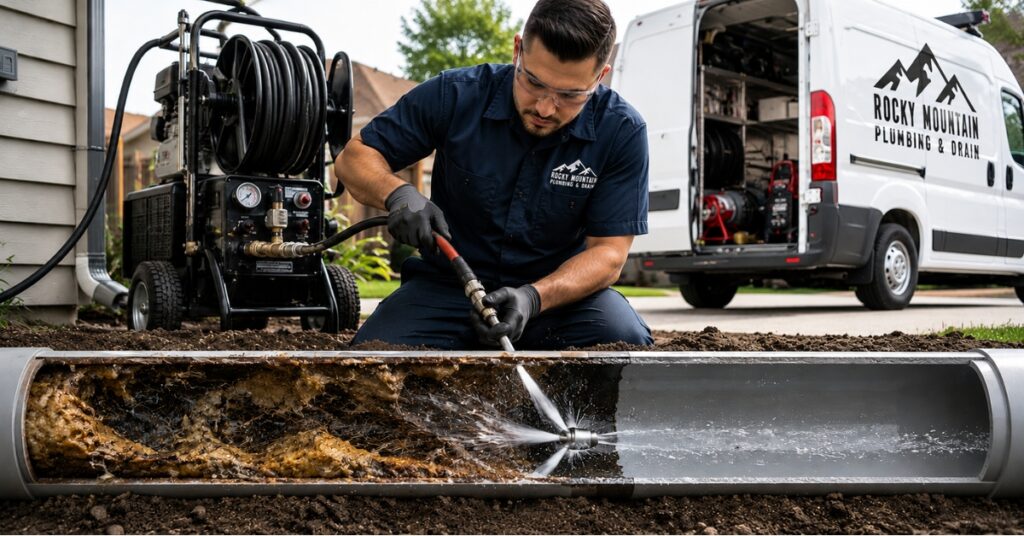
For more substantial buildup, plumbers sometimes recommend high-pressure hydro jetting to restore proper flow throughout the system.
Unlike basic clearing methods that create a temporary opening through a blockage, hydro jetting uses powerful streams of water to clean the interior walls of drain lines and remove accumulated debris.
What Makes Hydro Jetting Different?
Hydro jetting can help:
- Remove grease accumulation
- Clear sludge and residue
- Wash away debris stuck to pipe walls
- Restore pipe capacity
- Reduce recurring clogs
Because it cleans the entire interior surface of the pipe rather than simply punching through an obstruction, hydro jetting is often recommended when buildup has become widespread within the line.
This approach can be especially beneficial for homeowners experiencing recurring drainage issues, particularly when previous cleaning efforts provide only temporary relief. By removing the material that allows new clogs to form, hydro jetting often delivers longer-lasting results than methods that address only the immediate blockage.
How Drain Inspection Helps Identify the Real Cause
Sometimes symptoms alone cannot reveal the exact source of a drainage issue.
That is where a drain inspection becomes valuable.
Looking Beyond the Surface
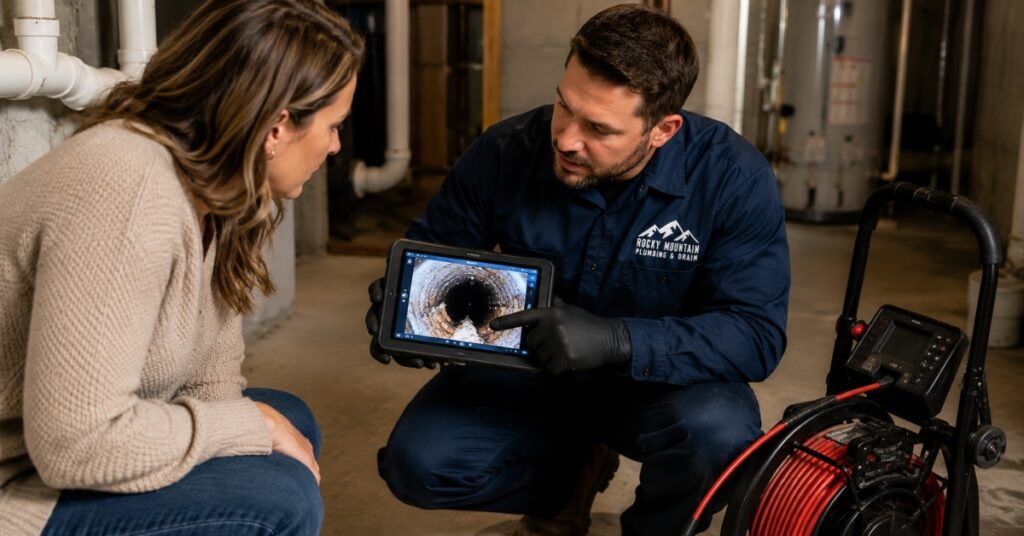
Modern inspection equipment allows plumbers to evaluate conditions inside the pipe system.
A drain inspection may reveal:
- Heavy buildup
- Pipe damage
- Misaligned sections
- Root intrusion
- Foreign objects
- Areas of recurring obstruction
Instead of guessing at the cause, an inspection helps identify what is actually happening inside the line.
This information allows for more targeted recommendations and prevents unnecessary work.
When Sewer Cleaning Becomes Part of the Solution
In some situations, the problem extends beyond individual fixture drains.
The main sewer line may be affected by buildup, debris accumulation, or other restrictions.
Signs That the Main Line May Be Involved
Potential indicators include:
- Multiple fixture backups
- Toilets and drains acting up together
- Water backing up in lower-level fixtures
- Frequent drainage problems throughout the home
When these symptoms appear, sewer cleaning may be necessary to restore proper flow through larger sections of the system.
Addressing the issue early can help prevent more serious backups and property damage.
Why Waiting Often Makes Problems Worse
Drain issues rarely improve on their own.
What begins as a slow-draining sink can gradually develop into recurring backups, unpleasant odors, or more widespread drainage problems.
As buildup continues accumulating, the restriction becomes larger and more difficult to remove.
Early attention often allows for simpler solutions and helps prevent interruptions to everyday household activities.
Knowing When Professional Help Makes Sense
Homeowners can often handle minor drain issues when symptoms are isolated and infrequent.
However, professional evaluation becomes more important when:
- The same clog keeps returning
- Multiple fixtures are affected
- Strange drain noises develop
- Water backs up unexpectedly
- Slow drainage becomes a recurring problem
- Previous clearing attempts fail to provide lasting results
These situations often indicate that the issue extends beyond a simple blockage.
The goal is not merely restoring flow for a few days but identifying and addressing the underlying cause.
FAQ
How do I know if I need drain repair instead of simple drain cleaning?
Recurring clogs, multiple affected fixtures, unusual drain noises, and repeated backups often suggest a larger issue that may require inspection and repair rather than basic cleaning alone.
Can a slow drain become a serious plumbing problem?
Yes. Slow drainage is often an early warning sign of buildup or developing blockages. Addressing the issue early can help prevent complete backups later.
What is the difference between drain cleaning and hydro jetting?
Drain cleaning typically focuses on removing an obstruction, while hydro jetting uses high-pressure water to clean the inside walls of pipes and remove accumulated buildup.
Why do my drains keep clogging after being cleared?
Recurring clogs often indicate that debris remains in the line or that a larger underlying issue is present. Temporary clearing methods may not fully remove the problem.
When should I schedule a drain inspection?
A drain inspection is often helpful when clogs return repeatedly, multiple fixtures are affected, or symptoms suggest a deeper issue within the plumbing system.
Can sewer line problems cause clogged drains inside the house?
Yes. Restrictions in the main sewer line can affect multiple fixtures throughout the home and often cause widespread drainage issues rather than isolated clogs.
